
International Day of the World’s Indigenous Peoples
Honouring Indigenous Voices: International Day of the World's Indigenous Peoples Join us on August 9th as we commemorate the International Day of the World's Indigenous Peoples. This significant day, chosen…
Why students may be interested
Honouring Indigenous Voices: International Day of the World’s Indigenous Peoples
Join us on August 9th as we commemorate the International Day of the World’s Indigenous Peoples. This significant day, chosen in recognition of the first meeting of the UN Working Group on Indigenous Populations in Geneva in 1982, serves to raise global awareness of the needs and rights of Indigenous communities worldwide.
A Vital Focus for 2025: Protecting the Rights of Indigenous Peoples in Voluntary Isolation and Initial Contact
This year, the International Day of the World’s Indigenous Peoples shines a crucial spotlight on ‘Protecting the Rights of Indigenous Peoples in Voluntary Isolation and Initial Contact’.
These approximately 200 groups of Indigenous Peoples, living in remote, resource-rich forests across countries like Bolivia, Brazil, and Peru, choose to live detached from the rest of the world. Their traditional way of life, centred on gathering and hunting, allows them to preserve unique cultures and languages, with a strict dependency on their ecological environment. Any disruption to their natural habitat can have devastating consequences for their survival.
Despite their right to autonomy, enshrined in the UN Declaration on the Rights of Indigenous Peoples, these communities face immense, often overlooked, challenges. Developments in agriculture, mining, tourism, and natural resources are leading to deforestation within their territories, destroying their ancestral lands and their way of life.
One of the most serious threats they face is exposure to diseases from external contact. Due to their isolation, they lack the immunological defenses to common illnesses, meaning forced contact can lead to devastating loss of life and even the destruction of entire societies.
Why We Need Indigenous Communities for a Better World
Indigenous Peoples in voluntary isolation and initial contact are the ultimate protectors of the forest. Where their collective rights to lands and territories are safeguarded, forests thrive, and their societies flourish. Their survival is not only crucial for the protection of our planet but also vital for the preservation of cultural and linguistic diversity. In our hyper-connected world, their existence is a powerful testament to the rich and complex tapestry of humanity – and their loss would be an immeasurable blow to our global heritage.
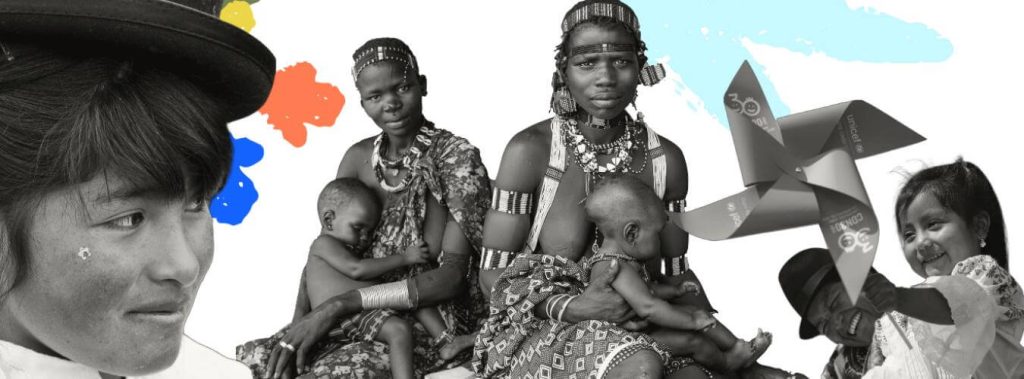
Globally, there are an estimated 476 million Indigenous Peoples across 90 countries. While they constitute less than 6% of the world’s population, they account for at least 15% of the poorest. They are the custodians of an overwhelming majority of the world’s estimated 7,000 languages and represent 5,000 different cultures.
Indigenous Peoples are inheritors and practitioners of unique cultures and invaluable ways of relating to people and the environment. They have maintained distinct social, cultural, economic, and political characteristics. Yet, despite their rich diversity, they share common challenges in protecting their rights as distinct peoples. For years, Indigenous Peoples have sought recognition of their identities, their ways of life, and their rights to traditional lands, territories, and natural resources. Sadly, their rights have been violated throughout history, making them arguably among the most disadvantaged and vulnerable groups globally today.
The international community now recognizes that special measures are essential to protect their rights and sustain their distinct cultures and ways of life.
More about this event
Organised by
KOI involvement
External opportunity
Public Event runs this event; KOI has selected it as a useful opportunity for students.
- Program category
- Cultural Feature Events
- Event type
- Cultural Celebration