
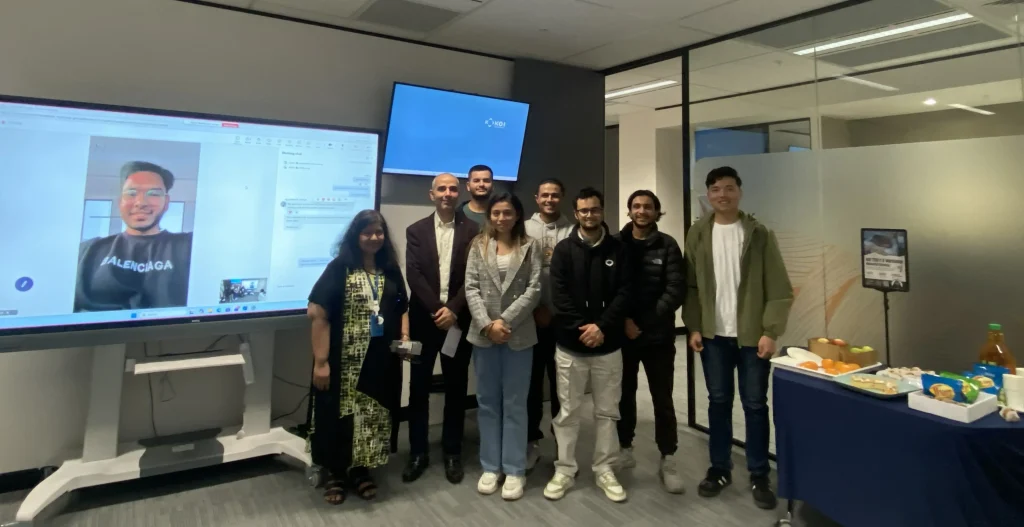
KOI’s T126 Professional Development workshop on 23 April 2026 introduced students to everyday financial management in Australia. The Student Engagement Office advertised the session at Wynyard Green Campus, with an online option via Microsoft Teams. Dr Ruhina Karim from the School of Finance and banking professional Nishith Panthi discussed ways to understand spending and build consistent habits.
Understanding everyday spending
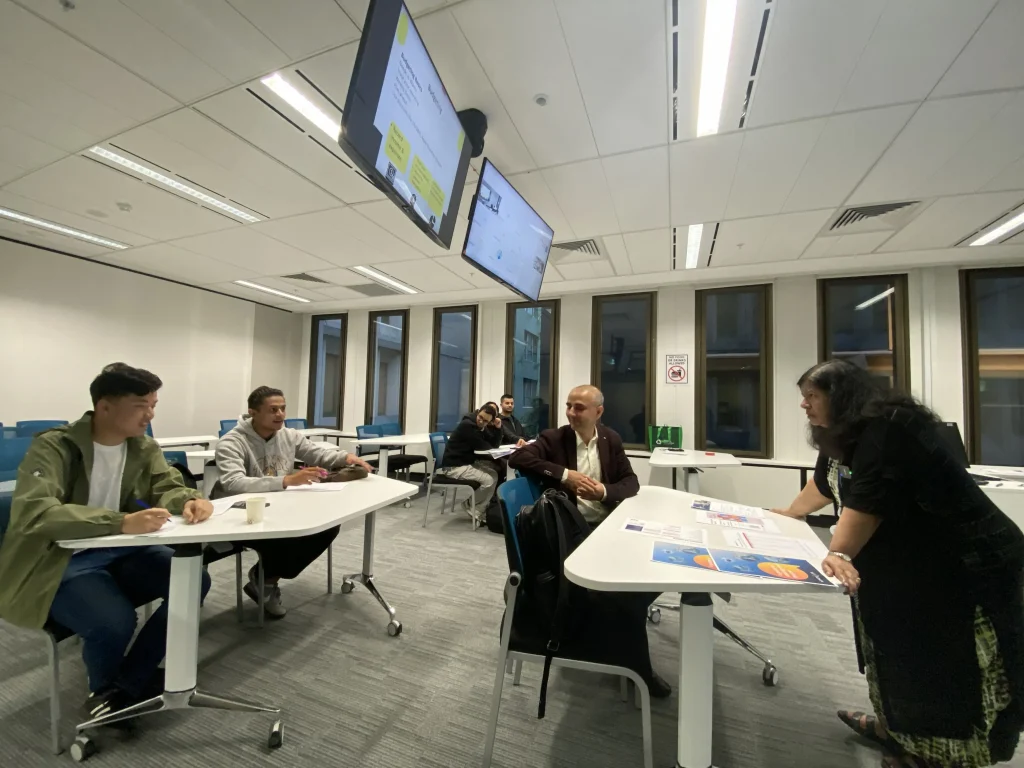
The session encouraged students to start by recording their expenses. A seven-day spending exercise was used to make regular costs more visible and support conversations about needs, wants and priorities.
Rather than presenting budgeting as a complicated system, the speakers focused on the relationship between income, expenses and savings.
Building sustainable habits
Small, regular savings were discussed as a way to establish a routine. The workshop also introduced credit records and the relationship between investment risk and potential returns.
These topics gave students a starting point for asking questions and finding reliable information relevant to their own circumstances.
Continue learning
Open the original workshop materials below using Google sign-in. For related accounting and business sessions, browse the Business information sessions directory. Thank you to Dr Ruhina Karim and Nishith Panthi for sharing their experience and responding to student questions.
In pictures
Photos, recordings and resources
This article reports the workshop discussion. For a personal financial decision, use current official information and advice appropriate to your circumstances.